
Hello, I’m Marty. Welcome to my corner of the internet.
Predestination 8: How do I know I’m chosen?
I was in Year 2, about seven years old. At our church in Springwood, I heard a kids’ talk about the Lamb’s Book of Life. In Revelation, this is the book containing the names of those who belong to Jesus and will share eternal life with him.

Predestination 7: If God’s already decided, why bother?
A friend once told me about a small group of people in his church whose approach was basically: God’s got everything under control, so we don’t need to worry about praying, evangelising or doing good works. We can just chill. God will sort it out.

Predestination 6: What about people who never hear about Jesus?
What if you’d been born somewhere you never heard about Jesus? A remote part of the Amazon, a village in Taliban-controlled Afghanistan, or a small Pacific island. Imagine growing up without anyone ever explaining the gospel to you.

Predestination 5: How is predestination fair?
When people ask me whether predestination is fair, the conversation often comes back to hell. If God chooses whom he saves, what about everyone else? How can it be fair for them to face judgment?

Predestination 4: Does God want everyone to be saved?
Think of someone you love who doesn’t trust Jesus. You want them to know him. You pray for them. But does God want them to be saved too?

Predestination 3: Is God responsible for evil?
I first remember really wrestling with God’s sovereignty when my sister died in tragic circumstances. How could something so horrible happen if God was in control? I believed God was good. But how did that fit with what had happened?

Predestination 2: Do I really have a choice?
Back when I was 18, I got heaps into listening to John Piper, an American pastor. One story has stuck with me.

Predestination 1: Has God already decided who will be saved?
I went to Penrith High School, a public high school in Sydney’s western suburbs. There were Hindus, Sikhs, Muslims, Jews, Buddhists, Jehovah’s Witnesses and Mormons, along with self-professed anarchists and communists. It was quite a mix.

Predestination: An Introduction
Towards the end of 2025, I found myself fielding question after question about predestination from a few different people in our youth group. How is it fair for God to choose who will be saved? What about the people he hasn’t chosen? Do our choices actually matter?
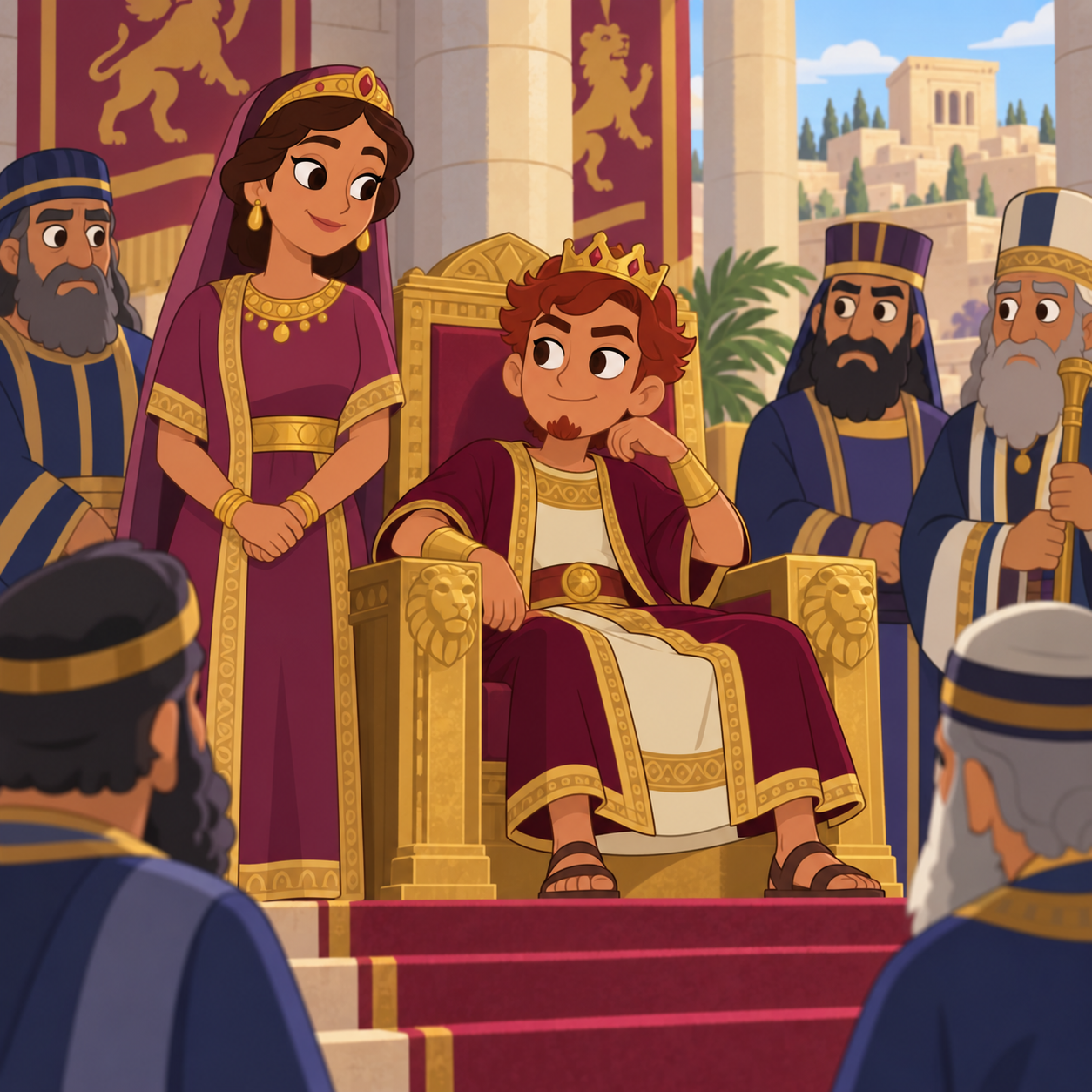
2 Kings 24–25. Hope + Jehoiachin
I’ll never forget the 2016 NBA finals. LeBron James and the Cleveland Cavaliers were playing the Golden State Warriors. Golden State weren’t just good. They were insanely good. They had won 73 games and lost only nine during the regular season—the best regular-season record in NBA history.
Then Cleveland went down 3–1 in the Finals. It looked over. There was basically no hope.
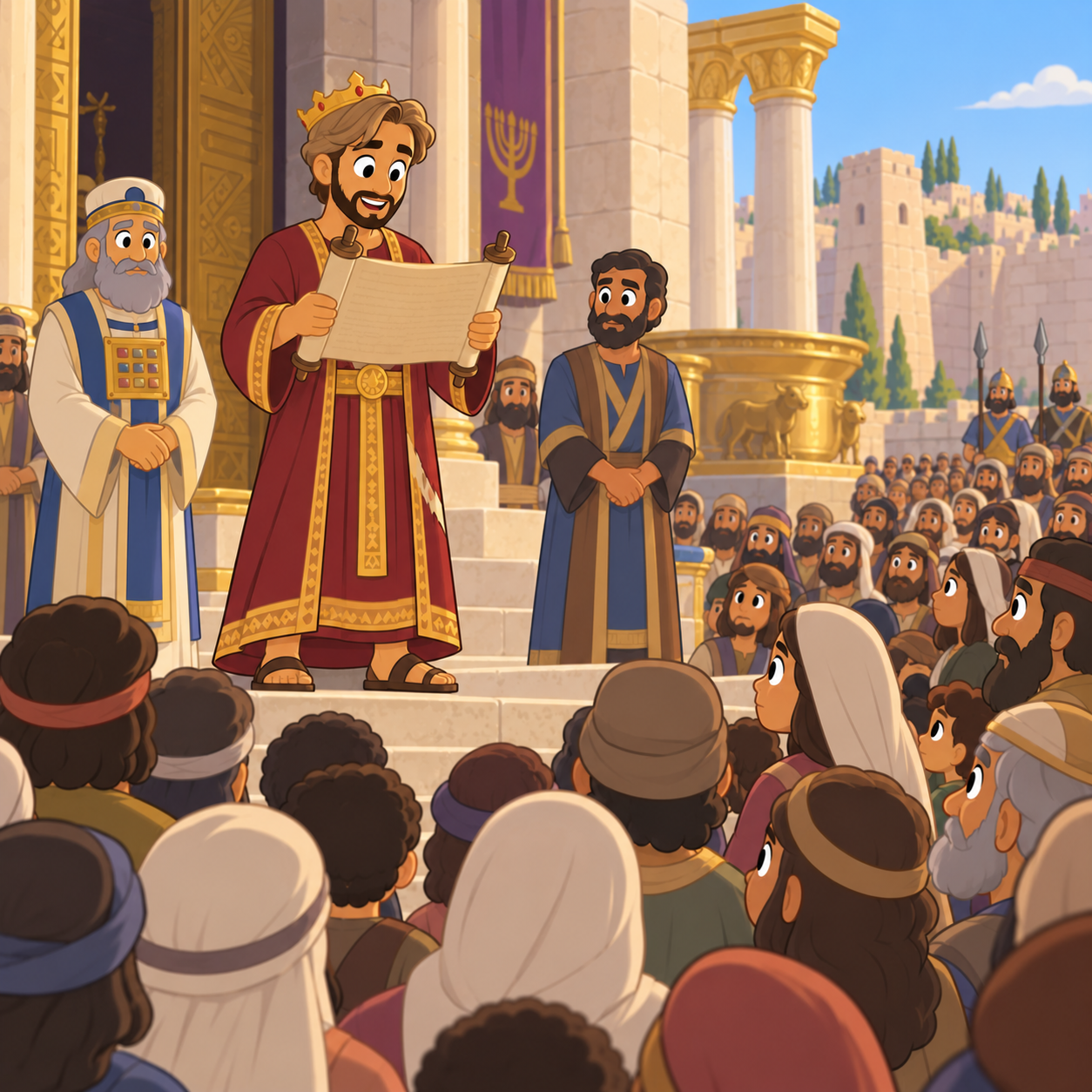
2 Kings 23. Reform + Josiah
Some reforms are small. You might reform your bedroom by moving the furniture around, throwing out some rubbish and finally putting away the clothes that have been sitting on the floor for three weeks. Other reforms change countries, churches and the way millions of people think. Reform is a big part of our history as Protestant Christians. During the Reformation, people such as Martin Luther and Thomas Cranmer called the church back to the authority of the Bible and to the good news that sinners are justified—declared right with God—through faith in Jesus, not by earning God’s favour.
2 Kings 17:1–23. Warning + Hoshea
Some warnings are easy to ignore. Don’t leave your assignment until the night before. Don’t click on that suspicious link. Don’t keep poking your brother when your parents have already told you to stop. We’re especially likely to ignore a warning when nothing happens straight away. We assume everything will probably be fine—or that we can change before the consequences arrive. Long before 2 Kings 17, when Israel was still travelling towards the Promised Land, God warned them about what would happen once they were settled there. If they ditched his law and turned away from him, they would eventually lose the land he had given them.

2 Kings 5:1-19. Cleansing + Elisha
Some stains wash out easily. Mud comes off with water. Dandruff comes out with shampoo. But what if the uncleanness isn’t only on our clothes, hair or skin? What if it reaches right inside us? God is perfectly holy. There is nothing sinful, corrupt or unclean in him. Therefore, to come into his presence, we need to be clean. In the Old Testament, various diseases and bodily conditions could make someone ceremonially unclean. Having dandruff or a skin condition today doesn’t necessarily make us unclean before God. Our real problem is sin. We’ve rejected God, doubted his word and lived as though we should rule our own lives. We need spiritual cleansing that we can’t provide for ourselves.

1 Kings 18:16–40. Idolatry and Elijah
Idolatry always looks ridiculous when someone else is doing it. Someone carves a statue out of wood or stone, bows down to it and asks it for help. We look at that and think, “How could anyone believe that thing could save them?” But idols aren’t always statues. An idol is anything we treat as more important than God. It might be sport, gaming, comfort, family, school success, popularity, approval, work or control. None of those things are necessarily bad. Most of them are good gifts from God. But “good things” become “God things” when we build our lives around them, look to them for our identity or trust them to give us what only God can provide.
1 Kings 12:1–24. Division and Rehoboam
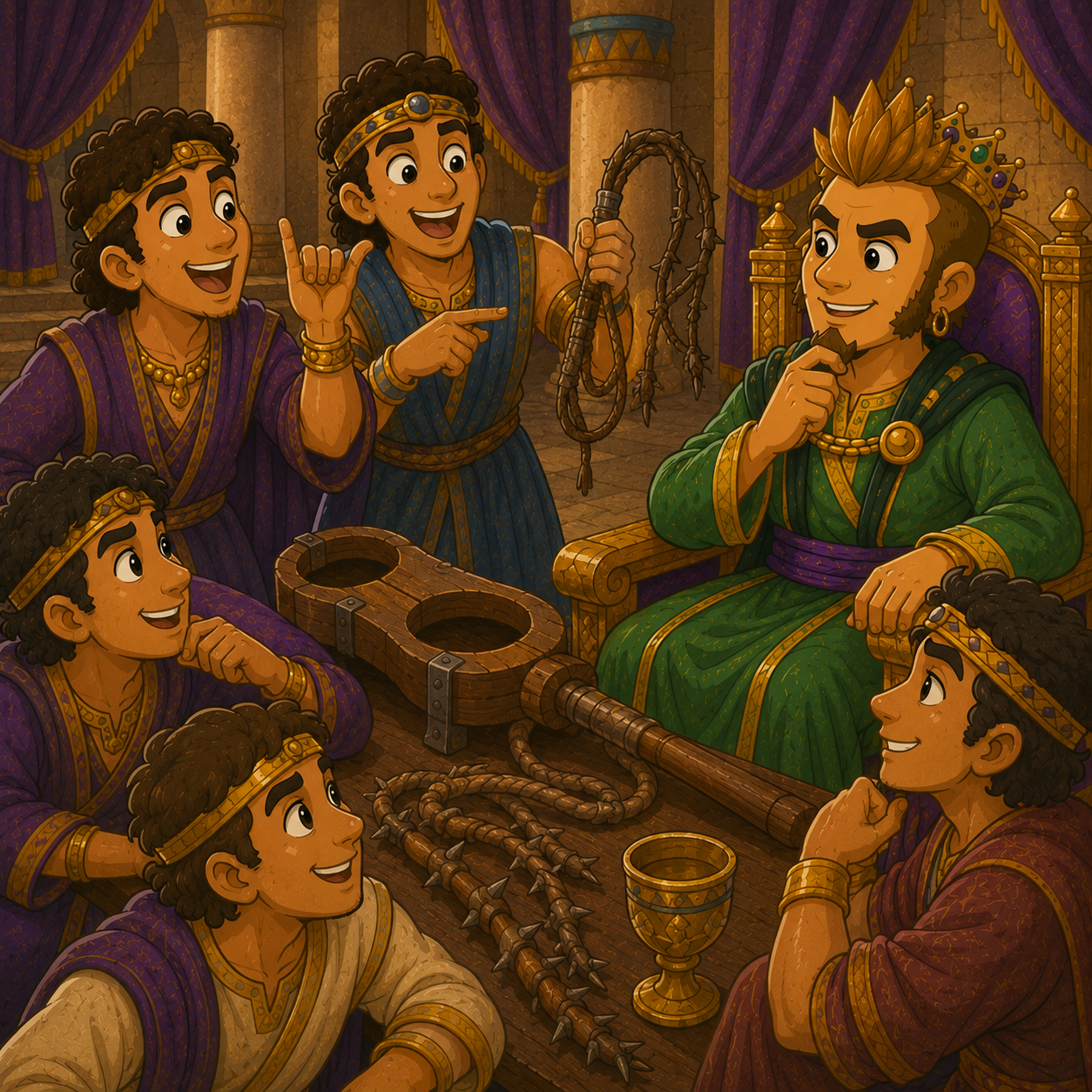
At the moment, the Robinson household is slightly obsessed with maps. We’ve been studying the countries of the world, and one thing my kids keep noticing is that many of the world’s newest countries exist because an older country split apart.
1 Kings 8:10–30. Temple and Solomon
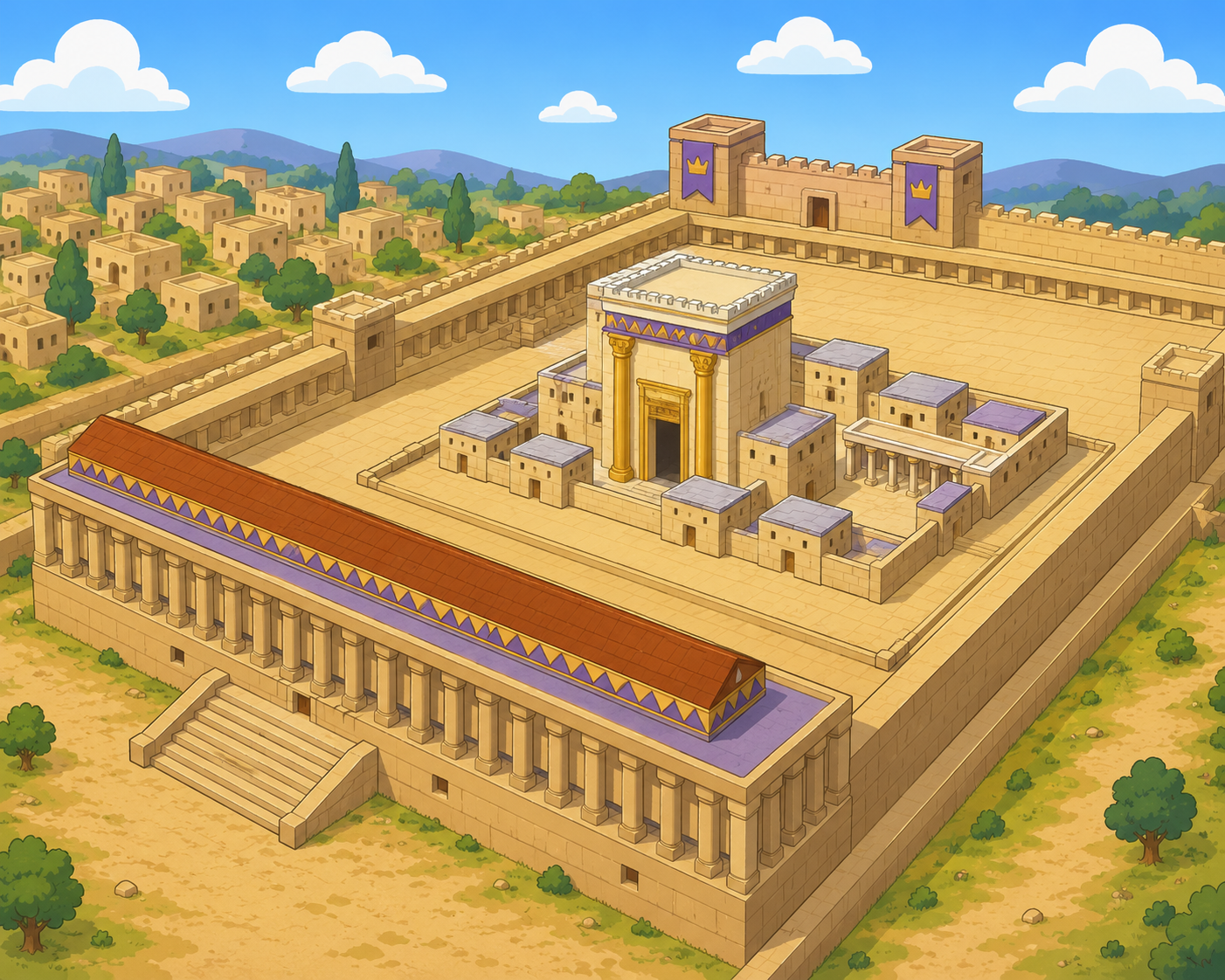
In the Bible, God often dwells with his people. He dwelled with Adam and Eve in the Garden of Eden. He appeared to people like Abraham, Isaac and Jacob. Then, during the days of Moses, he gave Israel the tabernacle, a special tent where God made his presence known among his people. The tabernacle was important, but it still had to be packed up whenever Israel moved and set up again wherever they stopped. As God’s people faced danger, suffering and uncertainty, how could they know that God would remain with them?

1 Kings 3:1–15. Wisdom and Solomon
Imagine God appeared to you and said, “Ask for whatever you want me to give you.“ What would you ask for? Unlimited money? A mansion? Every new game as soon as it came out? Instant popularity? The ability to fly? The ability to grow a beard overnight? Maybe not if you’re a girl.

Suffering. 2 Corinthians 11:15–12:10
Suffering raises some pretty big questions. When you’re a Christian and you suffer, you can start to wonder: what is God doing? Doesn’t he have the power to stop this? Doesn’t he love us? If God is good, and if God loves his people, why does he allow suffering to happen? You’ve probably seen suffering in your life. You've been through some mental health stuff. Or you’ve seen people you love get sick, get hurt, maybe even die. Or you’ve had to watch your parents fighting. Or you’ve had times where everything just felt really heavy. Suffering sucks.

2 Corinthians 10. Authority
The other day I was watching a news story on YouTube about a nation at war. They were using all kinds of weapons: drones, missiles and tanks. They were trying to defeat their enemy, control territory and, quite literally, tear down cities. And it very much seemed like the leaders were behaving like dictators. Nothing could challenge their authority. They weren’t waiting for outside advice or listening to anyone who might tell them to stop. It was basically: we have the power, so we’ll do what we want. No limits.

2 Corinthians 8:1-15. Generosity
The other day, one of my kids asked their sibling for a piece of their waffle. The sibling agreed—and handed over what was basically a cubic millimetre of waffle. Technically, they shared. But it wasn’t exactly generous. We can all be like that. A teenager might have twenty dollars but give their friend the smallest possible chip. An adult might earn a good income but somehow always find a reason not to give. Sometimes we’re generous. Sometimes we’re really not.
Who is Marticles?
I'm Martin, an ordained Anglican Minister of the Reformed/Evangelical persuasion, with a passion for Christian theology, ministry, and—somewhat randomly—life hacks.
What can you expect from this blog? A smorgasbord of topics that I felt like writing about.
Stick around, explore, and feel free to reach out with any questions or topics you'd like to see covered. I'm glad you're here, and I hope you find some of this content helpful.